


LSU Research Bites: New Genetic Insights Reveal How Life Thrives in Freezing Alpine Lakes
May 01, 2026
LSU researcher Morgan Kelly and her lab often study marine copepods, small aquatic crustaceans that together account for the bulk of the ocean’s biomass. Copepods feed on microbes and generally serve as an important food source for fish and other animals.
Kelly’s lab has conducted many studies on the genetics and gene expression of copepods, including the tide-pool resident Tigriopus californicus, under various environmental conditions and stressors, including extreme heat.
But copepods also live in lakes—even freezing lakes high in the mountains. This is where Ambre Placide, a graduate student at the University of Innsbruck, is studying the cousins of marine copepods and trying to understand how they’ve adapted to living in such a different environment. She’s particularly interested in a copepod species called Cyclops abyssorum tatricus.


When animals of the same genus spread out into different environments, part of how they adapt is genetic: they may develop mutations in their underlying DNA blueprint that help them survive. But they can also adapt their gene expression, modifying which genes are turned on or off, or amplifying the outputs (RNA molecules and ultimately proteins) of certain genes.
Researchers can evaluate this by sequencing the RNA in an animal like a copepod, an approach called transcriptomics. The entire set of RNA molecules in an organism at any given time, reflective of what genes are being expressed at that time, is called the transcriptome.
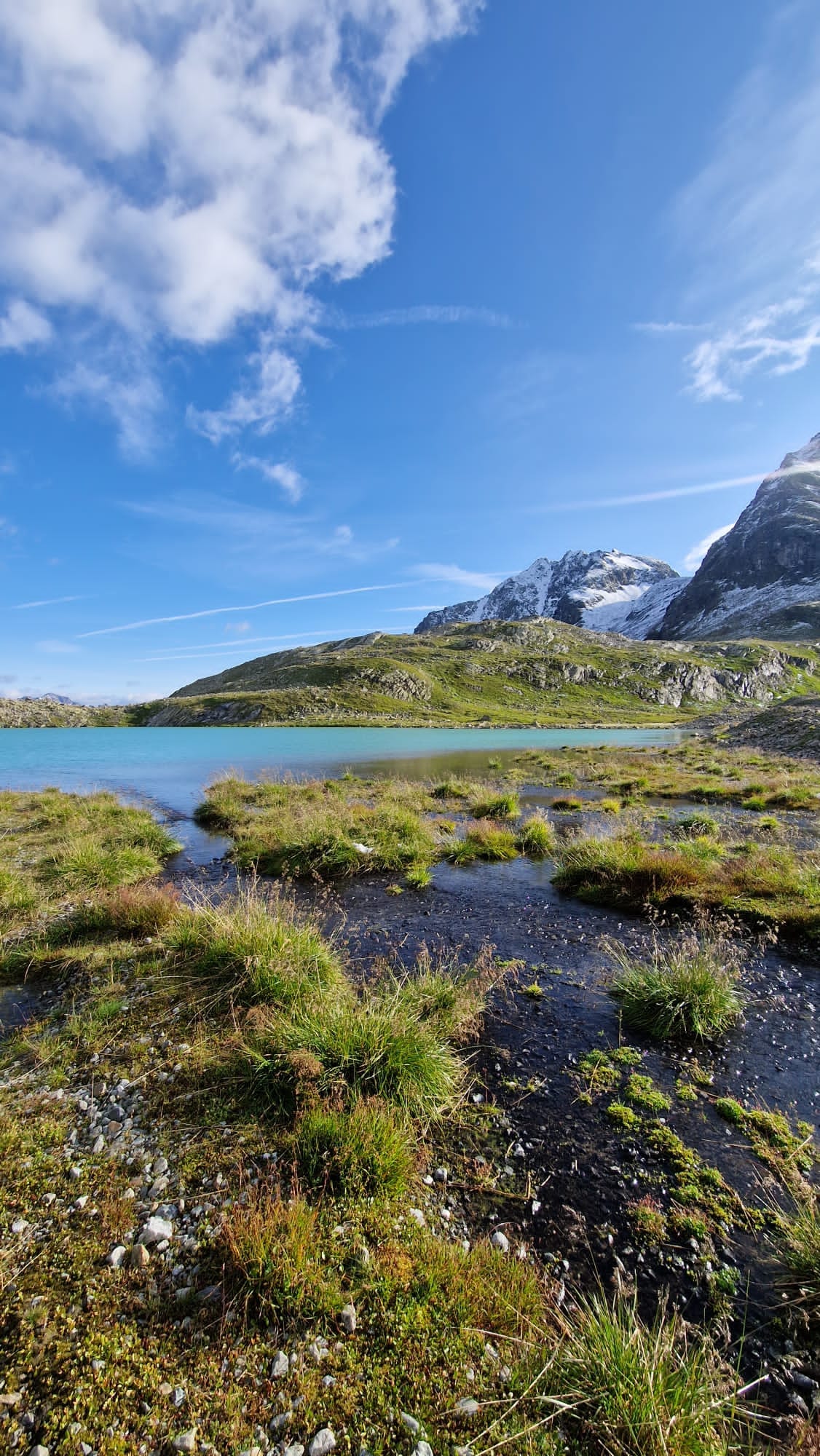
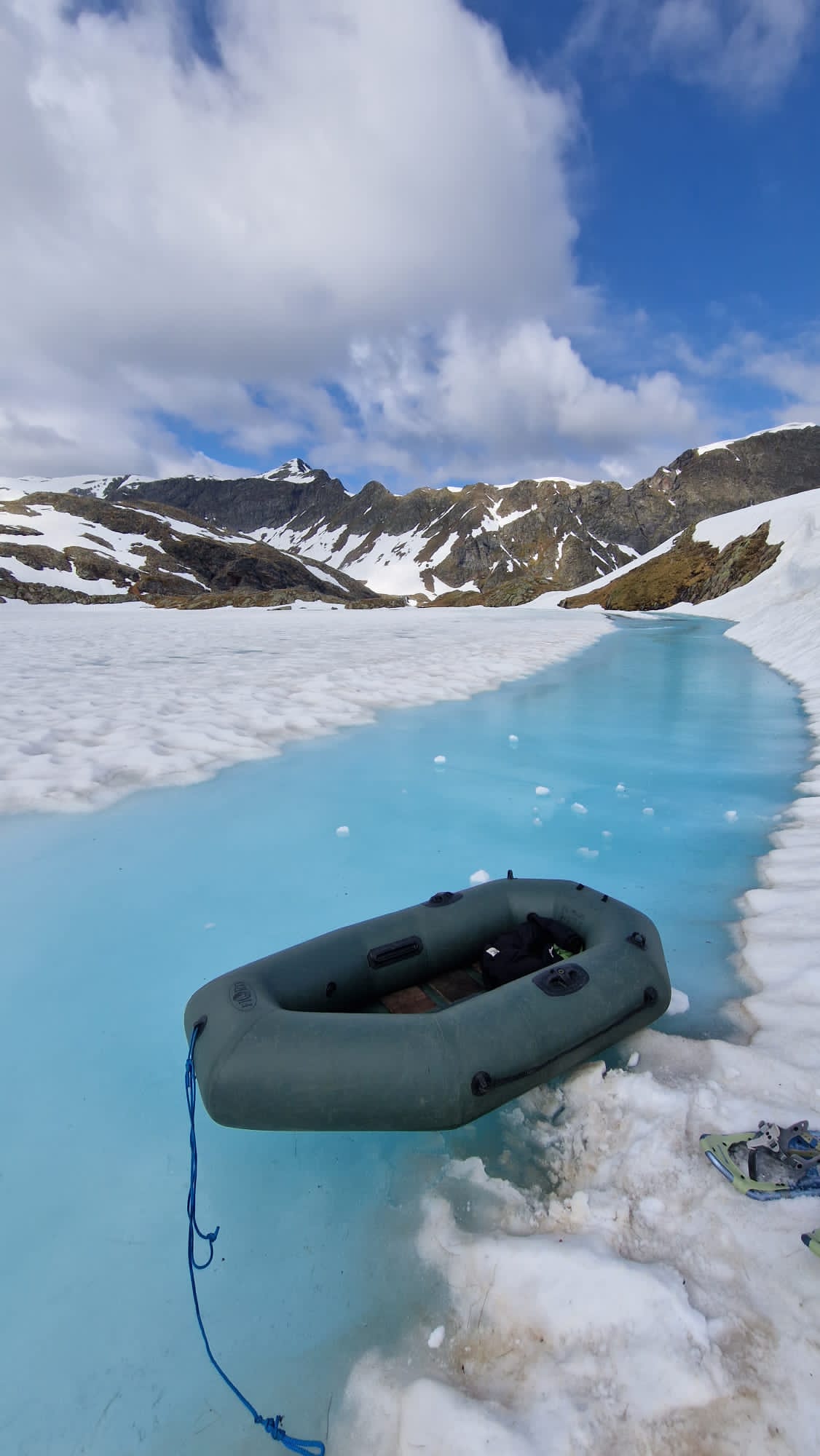
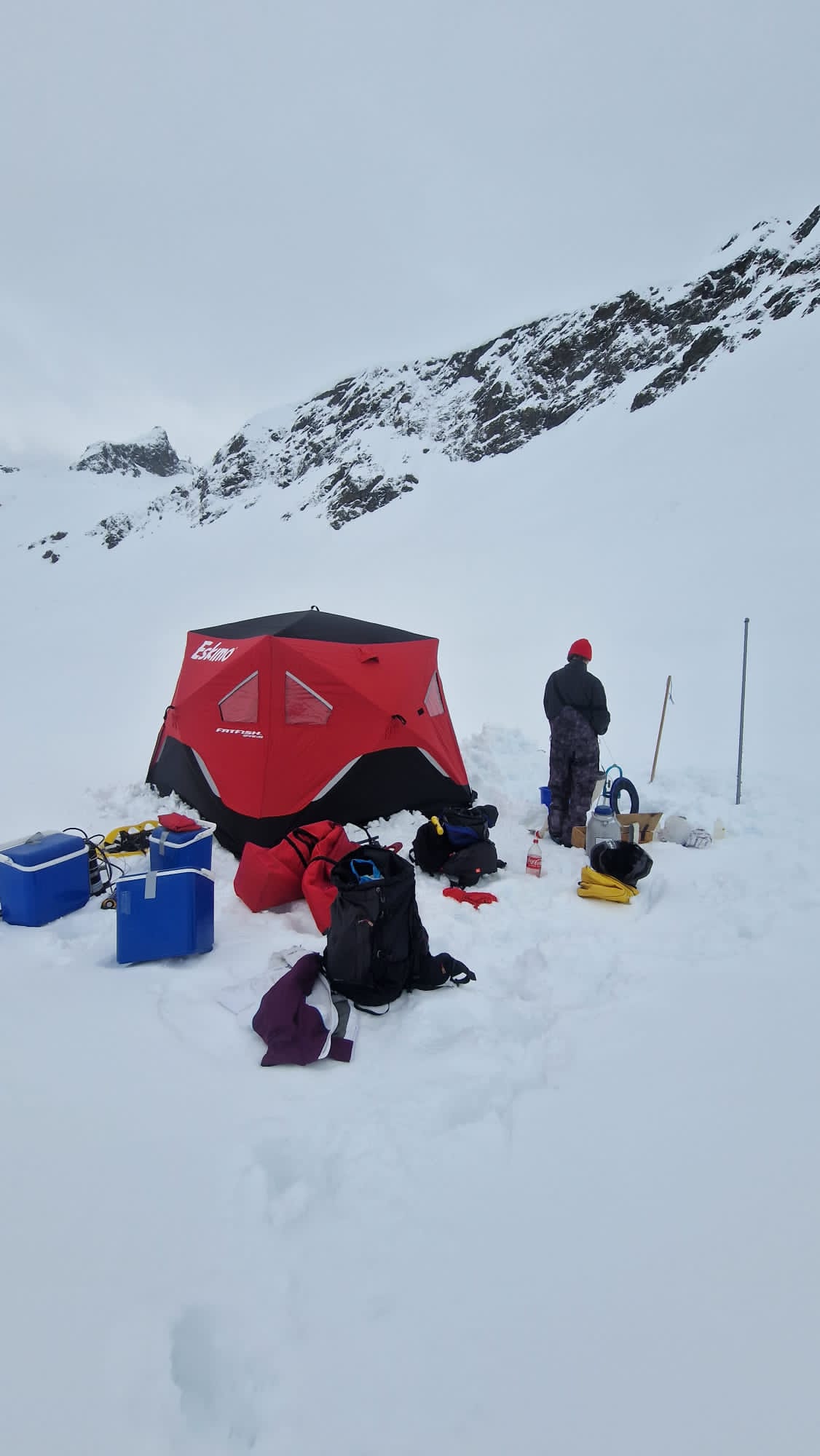
Problem: Copepods are tiny crustaceans that are often studied in marine environments, but they’ve also been found in alpine lakes. How do they survive extreme temperature conditions in those habitats?
Solution: Researchers from LSU and the University of Innsbruck collaborated to study the gene expression of the alpine lake copepod Cyclops abyssorum tatricus for the first time.
Impact: Cyclops copepods have strongly activated cold-tolerance genes, allowing them to adapt to generally cold environments.
In a study recently published in Scientific Reports, Placide worked with the Kelly lab to compare the transcriptome of a freshwater copepod living in alpine lakes – Cyclops abyssorum tatricus—to those of the marine copepods Kelly’s lab at LSU studies.
“These copepods have to be able to survive extreme cold and UV radiation from being in clear lakes high in the mountains,” Placide said. “In these harsh habitats, being able to adjust is crucial.”
“These copepods have to be able to survive extreme cold and UV radiation from being in clear lakes high in the mountains. In these harsh habitats, being able to adjust is crucial.”
Ambre Placide, a graduate student at the University of Innsbruck
To better understand how gene expression changes in copepods in alpine lakes in extreme conditions, Placide performed the first transcriptome assembly of a purely freshwater copepod. It wasn’t easy: these copepods have large and highly repetitive genomes that are difficult to analyze RNA from.
But the effort paid off. Using RNA sequencing to compare the gene expression of copepods collected across multiple lake types and time points, Placide and the Kelly lab identified key genes and pathways involved in cold adaptation, UV acclimatization, and oxidative stress responses.
The researchers found that, as one might expect, the Cyclops copepods strongly activated their cold-tolerance genes, allowing them to adapt to generally cold environments.
One puzzle that Placide was interested in solving was how these alpine lake copepods protect themselves from the intense sun rays and UV radiation present high in the mountains. She found that these copepods amplify genes to protect against and repair UV radiation damage to their DNA. But they also seem to respond behaviorally, swimming away from harsh sunlight to protect themselves.
Both marine and freshwater copepods have adapted to stressful and dynamic environments. LSU researchers are leading the way in evaluating these adaptations with transcriptomics.
Read the study: The de novo transcriptome of the freshwater copepod Cyclops abyssorum tatricus reveals high-elevation adaptation